Source Bluetooth CCT Adjustable LED Strip for Hotel Office Landscape
Compare 30 Bluetooth CCT Adjustable LED Strip options from verified suppliers. Buyers can evaluate LED density, PCB width, and connectivity features for residential, hotel, and office applications.
Key considerations
Products List


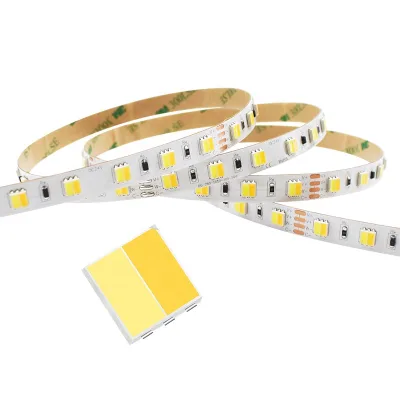
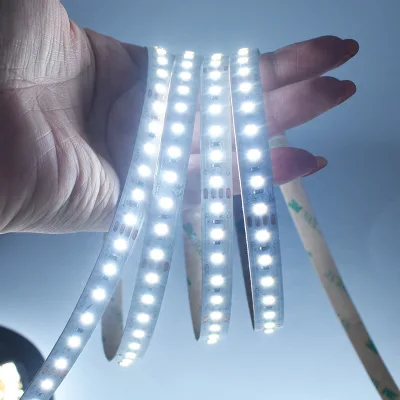
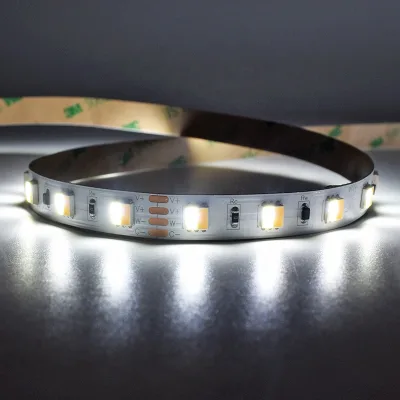
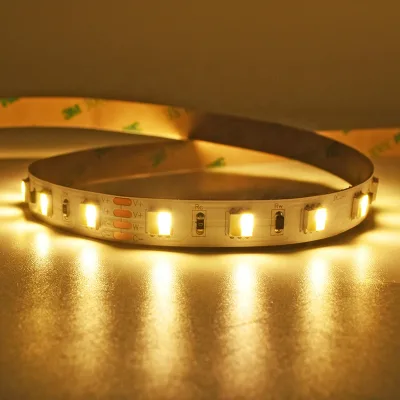
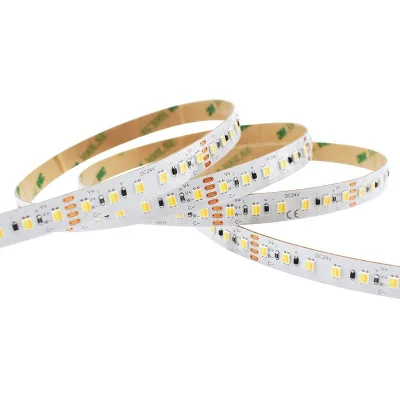


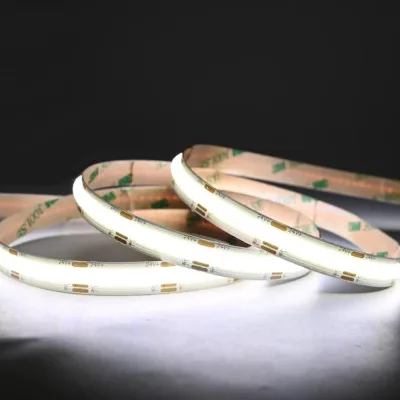
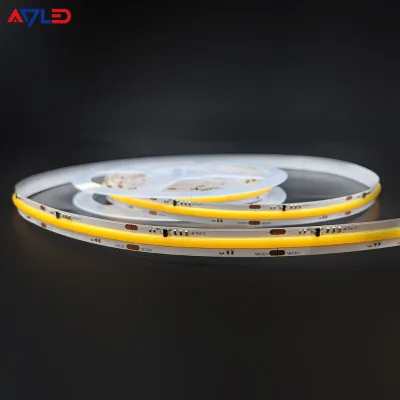
CCT LED Strip Light Dual White 1800K-6500K Adjustable Full Spectrum CCT LED Strip
$4.00 - $4.80
MOQ: 50 Meters




Comprehensive Sourcing Guide
Bluetooth CCT Adjustable LED Strip Sourcing Guide
Sourcing Bluetooth-enabled Correlated Color Temperature (CCT) adjustable LED strips requires a careful balance between optical performance, connectivity reliability, and supply chain transparency. These specialized lighting solutions allow users to dynamically shift between warm white and cool white tones, often integrated with smart home ecosystems via Bluetooth or Wi-Fi protocols. Buyers must navigate a market where specifications vary significantly across manufacturers, particularly regarding LED density, chip quality, and the robustness of the adhesive backing. This guide provides a structured approach to evaluating suppliers, verifying technical claims, and ensuring long-term product reliability for commercial and residential projects.
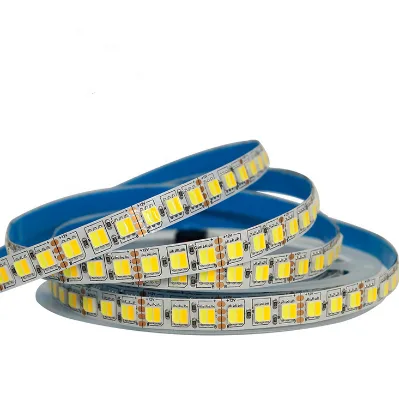
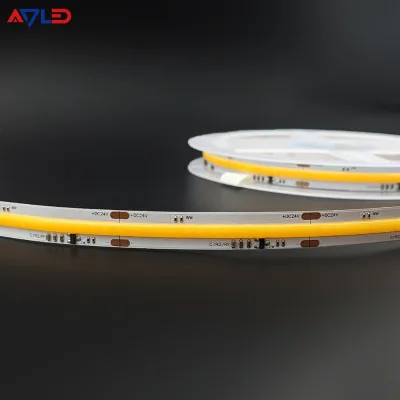
The procurement process begins with defining the specific use case, as the required luminous efficacy and color rendering index (CRI) will dictate the appropriate LED bin and packaging technology. High-density COB (Chip on Board) strips offer a seamless, spot-free light distribution ideal for architectural coves and retail displays, while traditional SMD (Surface Mount Device) strips provide cost-effective solutions for general ambient lighting. Understanding the distinction between these form factors is critical, as it influences not only the aesthetic outcome but also the installation complexity and the necessary power distribution strategies along the run length.
Product Scope and Observed Listing Signals
The current market for Bluetooth CCT LED strips presents a wide range of product configurations, with observed listing prices typically falling between $0.58 and $10.00 per unit, depending on the density and component quality. Minimum Order Quantities (MOQs) are equally variable, ranging from single units for prototyping to 1,000 units for bulk commercial deployment. Buyers should interpret these price ranges as indicative of the tier of components used, such as the difference between standard packaged LEDs and high-efficiency COB technology, rather than as a fixed market rate.
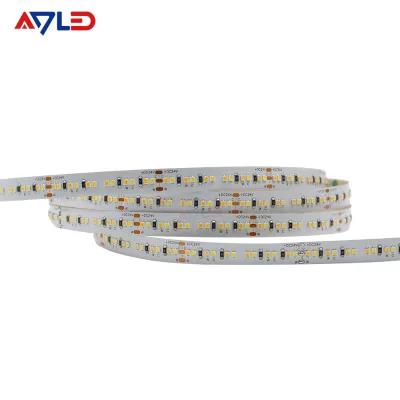
Observed product attributes reveal a strong emphasis on customization and modular design. Many suppliers offer strips with LED quantities ranging from 60 to 576 LEDs per meter, allowing for precise control over brightness and beam spread. The PCB width is another critical variable, with common options including 5mm, 8mm, and 10mm variants, each supporting different power loads and physical constraints. Buyers must verify whether the listed LED quantity corresponds to the specific model number, as discrepancies between marketing claims and actual product specifications are a common source of procurement errors.
Technical Specifications to Verify
When evaluating the technical core of the strip, the LED chip brand and binning are paramount for ensuring color consistency. Trusted suppliers often utilize chips from recognized manufacturers such as Sanan, Epistar, or Samsung, with binning options available in 2-step, 3-step, or 6-step MacAdam ellipses. For projects requiring strict color uniformity, buyers should insist on same-bin ordering to prevent visible color shifts between adjacent strips. The luminous output per LED typically ranges from 24 to 32 lumens, a factor that directly impacts the total wattage and heat dissipation requirements of the installation.
Connectivity and control features define the user experience of Bluetooth-enabled strips. The switching mode may include manual buttons, remote controls, or direct integration via Bluetooth and Wi-Fi, often supported by USB or Type-C interfaces for configuration. Buyers should verify the lamp body material, which is frequently a combination of copper and silicone for flexibility and heat management, and confirm the PCB construction, which often features double-sided pure copper circuit boards for enhanced current carrying capacity. Additionally, the adhesive tape quality, such as the use of original 3M tapes, is crucial for long-term adhesion, especially in environments with temperature fluctuations.
Compliance and Safety Documentation
Regulatory compliance is non-negotiable for international procurement, with CE, RoHS, and FCC certifications being the baseline requirements for most markets. These certifications ensure that the electronic components meet electromagnetic compatibility (EMC) standards and restrict the use of hazardous substances. Buyers must request valid test reports from accredited laboratories, specifically looking for IEC/EN62471 compliance for photobiological safety and LM-80 data for lumen maintenance over time. Without these documents, the risk of customs delays or product recalls increases significantly.
Beyond basic certifications, buyers should verify adherence to specific industry standards such as TUV and IEC guidelines, which often provide a higher level of assurance regarding electrical safety and durability. The product origin, frequently Shenzhen, China, is a major hub for LED manufacturing, but this does not automatically guarantee quality. Buyers should cross-reference the supplier’s claimed certifications with the actual product labeling and packaging, ensuring that the certificates are current and applicable to the specific model numbers being ordered.
Cost Drivers and Commercial Terms
The total cost of ownership for LED strips is influenced by several factors beyond the unit price, including packaging, shipping, and warranty terms. Standard packaging often involves 5-meter rolls packed in color boxes or anti-static bags, with carton quantities typically set at 100 rolls per master carton. Buyers should assess whether the supplier offers inner box and carton packaging that protects the strips from physical damage during transit, as poor packaging can lead to high damage rates and increased replacement costs.
Warranty provisions are a key indicator of supplier confidence in their product. A standard 3-year warranty is common in the industry, but buyers should clarify the terms and conditions, including the process for claims and the definition of failure. Lifespan expectations are often cited as exceeding 50,000 hours, but this is contingent on proper thermal management and operating conditions. Buyers should negotiate clear commercial terms regarding lead times and payment structures, ensuring that these align with their project schedules and cash flow requirements.
Supplier Qualification and Quality Control
Supplier qualification requires a thorough review of their manufacturing capabilities and quality control processes. Buyers should verify the supplier’s ability to provide customization options, as many projects require specific lengths, connector types, or control protocols. The use of high-purity materials, such as 99.99% pure gold wire and red copper pads, is a strong indicator of manufacturing quality, as these materials enhance conductivity and reduce resistance over time.
Quality control checks should include visual inspections for soldering defects, continuity tests for the circuit board, and functional tests of the Bluetooth connectivity. Buyers may request sample orders to evaluate the emitting color consistency, the flexibility of the strip, and the strength of the adhesive backing. It is also advisable to inquire about the supplier’s defect rate and their procedures for handling non-conforming products, ensuring that there is a clear path for resolution in case of quality issues.
Long-Term Procurement Checks
Long-term procurement success depends on the supplier’s ability to maintain consistent quality and supply stability. Buyers should monitor the supplier’s track record for delivering products that meet the specified LED bins and luminous outputs over multiple orders. Consistency in PCB thickness, such as the standard 2oz copper with 3oz optional upgrades, is essential for ensuring that the electrical performance remains stable as the installation ages.
Additionally, buyers should stay informed about advancements in LED technology and control protocols, as the market for smart lighting is rapidly evolving. Maintaining a relationship with a supplier who offers ongoing support and technical assistance can be invaluable for troubleshooting issues and optimizing future purchases. By focusing on these long-term factors, buyers can build a resilient supply chain that supports their lighting projects with reliable, high-quality components.
FAQs
What certifications do the LED strips have?
The LED strips hold CE, RoHS, FCC, and EMC certifications. Additional testing standards include IEC/En62471 and Lm-80 for safety and performance verification across different product models.
Can I customize the LED quantity per meter?
Yes, customization is available for LED quantities ranging from 60 to 576 LEDs per meter. Options include 2835 chips with varying densities like 120, 196, or 240 LEDs per meter depending on the specific model.
Which PCB materials are used for these strips?
The strips utilize double-sided pure copper circuit boards with widths of 5mm, 8mm, or 10mm. PCB thickness is typically 2oz, with 3oz available as an optional specification for enhanced durability.
How long is the warranty period for the product?
The product comes with a standard 3-year warranty covering manufacturing defects. This warranty applies to the flexible LED strip lights and ensures reliability for residential or commercial applications.
What is the lifespan of the LED chips?
The LED chips offer a lifespan exceeding 50,000 hours of operation. This longevity is supported by high-quality materials like 99.99% pure gold wire and red copper pads for stable performance.
Which connectivity technologies support the Bluetooth control?
Connectivity options include Bluetooth, Wi-Fi, USB, and Type-C interfaces for flexible control. Users can switch modes via manual buttons, remote controls, or direct app integration for smart lighting management.